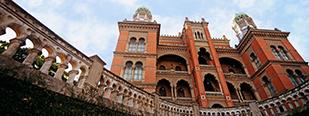
The Malacology Laboratory (LABMAL) of the Instituto Oswaldo Cruz (IOC/Fiocruz) works since 1980 with continental molluscs, especially with those of medical-veterinary and economic interest, as well as invaders and urban and agricultural pests.
The laboratory's main lines of research involve the study of taxonomy, systematics, ecology, mollusk-parasite interaction and other aspects of the biology of continental gastropods from the Neotropical Region, in urban areas, of agricultural crops, areas impacted by large water projects, mainly hydropower plants. hydroelectric plants, in addition to areas of environmental preservation.
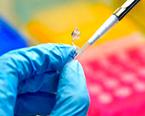
Several colonies of limnic molluscs from different regions of the country, as well as seven strains of S. mansoni, are maintained for laboratory research and for the supply of biological material both to laboratories in the IOC, as well as for different institutions.
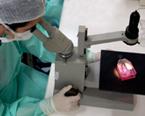
The Laboratory provides diagnostic services in medical malacology and is actively involved in the teaching of medical and systematic malacology. Since 2008, it has been recognized by the Ministry of Health as a National Reference for the Ministry of Health for the services it provides as a National Reference Laboratory for Schistosomiasis-Malacology, serving Health Departments and LACEN.
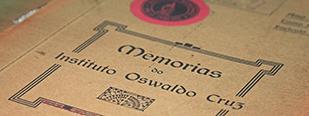
The Laboratory is also responsible for the Mollusc Collection (CMIOC) Of the IOC, with 75 years of existence, which includes more than fifteen thousand batches of molluscs (approximately 220 thousand specimens).
Head of the Malacology Laboratory
Silvana Aparecida Rogel Carvalho Thiengo (Curriculum lattes)
Deputy Head of the Malacology Laboratory
Suzete Rodrigues Gomes (Curriculum lattes)
 |
 |