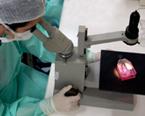
 The Toxinology Laboratory (LATOX) of the Instituto Oswaldo Cruz (IOC/Fiocruz) has been developing research that integrates basic and applied science since 1991, in addition to working on the training of human resources through specialized teaching and training.
With cutting-edge infrastructure, LATOX stands out as one of the main proteomics centers in Brazil, accumulating vast expertise in the use of mass spectrometry (MS) for the detailed analysis of peptides and proteins.
The Laboratory is accredited as a research group in National Council for Scientific and Technological Development.
The Toxinology Laboratory is also responsible for Proteomics Technology Platform/RJ – Mass Spectrometry, which integrates the Technological Platform Networks of the Fiocruz and do IOC. This infrastructure offers specialized services to the scientific community, contributing to the development of projects in various areas of knowledge.
Among its main research lines, LATOX investigates the phenomenon of natural resistance of certain animals to snake venom. Using Integrated Structural Biology tools, the laboratory seeks to understand the relationship between the structure and function of proteins with antivenom activity. In addition, it employs proteomic technologies (shotgun and intact protein MS) to analyze the composition of proteins and peptides present in animal venoms (e.g., snakes and scorpions), investigating their mechanisms of action and evaluating their potential for biotechnological applications.
LATOX also collaborates with several research groups, using proteomics to deepen the understanding of the pathophysiology of infectious and parasitic diseases. Among the main focuses are arboviruses and Covid-19, fungal infections, Chagas disease and helminthiasis, expanding the impact of its contributions to public health.
More recently, LATOX has been expanding its operations through partnerships with the F production sector.iocruz, especially with the Institute of Technology in Immunobiologicals (Bio-Manguinhos). The objective is to integrate mass spectrometry as a strategic analytical tool in the characterization of immunobiologicals, such as vaccines and biopharmaceuticals, contributing to the innovation and quality of these products.
Head of the Toxinology Laboratory
Ana Gisele da Costa Neves Ferreira (Curriculum lattes)
Substitute Head of the Toxinology Laboratory
Richard Hemmi Valente (Curriculum lattes)
 |
 |