
Winter has passed, but surveillance of diseases whose transmission peaks during the coldest season of the year does not stop. Keeping an eye on the history of Influenza epidemiological data and seeking to anticipate possible scenarios, around 20 experts from various research and health centers in the country met at the Oswaldo Cruz Foundation (Fiocruz) last Friday, October 04th.
The Laboratory of Respiratory Virus and Measles at Instituto Oswaldo Cruz (IOC/Fiocruz) was the host of the initiative.
Among those present was the Director of the Department of Surveillance of Transmissible Diseases of the Health Surveillance Secretariat of the Ministry of Health, Julio Croda.
Representatives from the General Coordination of Public Health Laboratories and the General Coordination of the National Immunization Program of the Ministry of Health also participated, in addition to researchers from the Evandro Chagas Institute, the Adolfo Lutz Institute, the Butantan Institute, and the Scientific Computing Program (PROCC/F).iocruz).
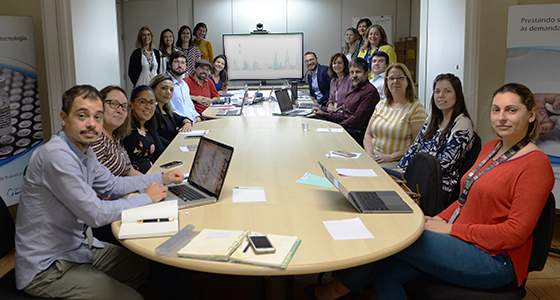
The meeting aimed to study the restructuring of the Brazilian influenza surveillance program, seeking to expand and improve the distribution of sentinel units throughout the country.
“We already have a strong and quite effective surveillance structure regarding the influenza virus. However, we are always looking to improve. In states with swine and poultry production, for example, the networks need to be constantly able to detect possible influenza variants,” emphasizes Marilda Siqueira, head of the Respiratory Virus and Measles Laboratory at [Institution Name]. IOC, which acts as a national reference in laboratory diagnosis of the Influenza virus with the Ministry of Health and is part of the Global Influenza Surveillance and Response System of the World Health Organization (WHO).
The network of sentinel units, distributed across health services in all Brazilian states, combined with a network of reference laboratories, including the Respiratory Virus and Measles Laboratory of IOCThis allows for monitoring the circulation of the microorganism in the country.
Within the Institute's facilities, activities are carried out to monitor the evolution of different influenza groups through phylogenetic analyses, as well as the identification of variant strains of the viruses that circulate during seasonal epidemics – those that occur every year, mainly in winter.
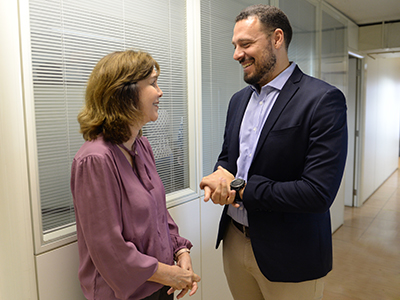
Thanks to the network's constant efforts, it was possible to identify an early circulation of the virus in the North of the country this year. In response, the Ministry brought forward the influenza vaccination campaign in the states of the region by 21 days.
"This action has had a significant impact in terms of hospitalization and mortality," celebrated Julio Croda.
In this context, the director of DEVIT highlighted the importance of network cooperation.
"This is the first time we've had a joint meeting between the surveillance team, the Ministry of Health, and our reference laboratory here at F."iocruz and our official vaccine producer, which is the Butantan Institute. So, we are starting planning now, in October 2019, to anticipate and have more adequate planning for the next Influenza seasonality, in 2020”, he added.
Winter has passed, but surveillance of diseases whose transmission peaks during the coldest season of the year does not stop. Keeping an eye on the history of Influenza epidemiological data and seeking to anticipate possible scenarios, around 20 experts from various research and health centers in the country met at the Oswaldo Cruz Foundation (Fiocruz) last Friday, October 04th.
The Laboratory of Respiratory Virus and Measles at Instituto Oswaldo Cruz (IOC/Fiocruz) was the host of the initiative.
Among those present was the Director of the Department of Surveillance of Transmissible Diseases of the Health Surveillance Secretariat of the Ministry of Health, Julio Croda.
Representatives from the General Coordination of Public Health Laboratories and the General Coordination of the National Immunization Program of the Ministry of Health also participated, in addition to researchers from the Evandro Chagas Institute, the Adolfo Lutz Institute, the Butantan Institute, and the Scientific Computing Program (PROCC/F).iocruz).
The meeting aimed to study the restructuring of the Brazilian influenza surveillance program, seeking to expand and improve the distribution of sentinel units throughout the country.
“We already have a strong and quite effective surveillance structure regarding the influenza virus. However, we are always looking to improve. In states with swine and poultry production, for example, the networks need to be constantly able to detect possible influenza variants,” emphasizes Marilda Siqueira, head of the Respiratory Virus and Measles Laboratory at [Institution Name]. IOC, which acts as a national reference in laboratory diagnosis of the Influenza virus with the Ministry of Health and is part of the Global Influenza Surveillance and Response System of the World Health Organization (WHO).
The network of sentinel units, distributed across health services in all Brazilian states, combined with a network of reference laboratories, including the Respiratory Virus and Measles Laboratory of IOCThis allows for monitoring the circulation of the microorganism in the country.
Within the Institute's facilities, activities are carried out to monitor the evolution of different influenza groups through phylogenetic analyses, as well as the identification of variant strains of the viruses that circulate during seasonal epidemics – those that occur every year, mainly in winter.
Thanks to the network's constant efforts, it was possible to identify an early circulation of the virus in the North of the country this year. In response, the Ministry brought forward the influenza vaccination campaign in the states of the region by 21 days.
"This action has had a significant impact in terms of hospitalization and mortality," celebrated Julio Croda.
In this context, the director of DEVIT highlighted the importance of network cooperation.
"This is the first time we've had a joint meeting between the surveillance team, the Ministry of Health, and our reference laboratory here at F."iocruz and our official vaccine producer, which is the Butantan Institute. So, we are starting planning now, in October 2019, to anticipate and have more adequate planning for the next Influenza seasonality, in 2020”, he added.
The non-profit reproduction of the text is allowed as long as the source is cited (Comunicação / Instituto Oswaldo Cruz)
 |
 |
