
The year was 2009. The world was facing the Influenza A (H1N1) pandemic. The episode that, at the time, was known as 'swine flu', led to the death of between 151 and 575 thousand people worldwide, according to a study published by researchers from the Centers for Disease Control and Prevention in the United States.
Since the detection of the first cases and the global alert issued by the World Health Organization (WHO), the Oswaldo Cruz Institute (IOC/Fiocruz) mobilized to receive samples. The actions led by the Laboratory of Respiratory Virus and Measles, which acts as a National Reference in Influenza with the Ministry of Health, focused on the laboratory diagnosis of suspected cases and the training of health professionals to carry out the procedures.
Researchers from IOC were responsible for the first genetic sequences of the pandemic Influenza A (H1N1) virus mapped in Brazil, in May of that year. The study was conducted using samples from three patients, two from Rio de Janeiro and one from Minas Gerais, all diagnosed at the Laboratory.
Due to the significant number of samples received, the Institute's team worked continuously to carry out the diagnoses, including holidays and weekends. In all, more than 17 samples were analyzed.
Remember, below, the news related to the fact:

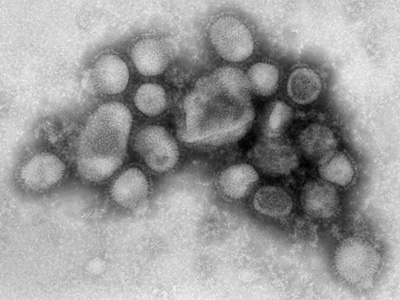

The year was 2009. The world was facing the Influenza A (H1N1) pandemic. The episode that, at the time, was known as 'swine flu', led to the death of between 151 and 575 thousand people worldwide, according to a study published by researchers from the Centers for Disease Control and Prevention in the United States.
Since the detection of the first cases and the global alert issued by the World Health Organization (WHO), the Oswaldo Cruz Institute (IOC/Fiocruz) mobilized to receive samples. The actions led by the Laboratory of Respiratory Virus and Measles, which acts as a National Reference in Influenza with the Ministry of Health, focused on the laboratory diagnosis of suspected cases and the training of health professionals to carry out the procedures.
Researchers from IOC were responsible for the first genetic sequences of the pandemic Influenza A (H1N1) virus mapped in Brazil, in May of that year. The study was conducted using samples from three patients, two from Rio de Janeiro and one from Minas Gerais, all diagnosed at the Laboratory.
Due to the significant number of samples received, the Institute's team worked continuously to carry out the diagnoses, including holidays and weekends. In all, more than 17 samples were analyzed.
Remember, below, the news related to the fact:
The non-profit reproduction of the text is allowed as long as the source is cited (Comunicação / Instituto Oswaldo Cruz)
 |
 |
