
Since the end of April, the state of Rio Grande do Sul has been facing the impacts of the tragedy caused by severe floods that caused deaths and left thousands of people without anywhere to live. Data released by Federal government point out that, currently, more than 35 thousand people are in temporary shelters.
Crowding in these environments must be closely monitored by health authorities, as it allows the circulation of respiratory, gastrointestinal and worm viruses.
Another very common occurrence that should be on the radar of health professionals and volunteers is the spread of pediculosis (lice infestation).
“Lice have a major impact on public health, especially during and after emergencies. Whenever people need to stay in shelters, small outbreaks arise”, warns Júlio Vianna Barbosa, biologist and researcher at the Environmental and Health Education Laboratory at the Oswaldo Cruz Institute (IOC/Fiocruz).
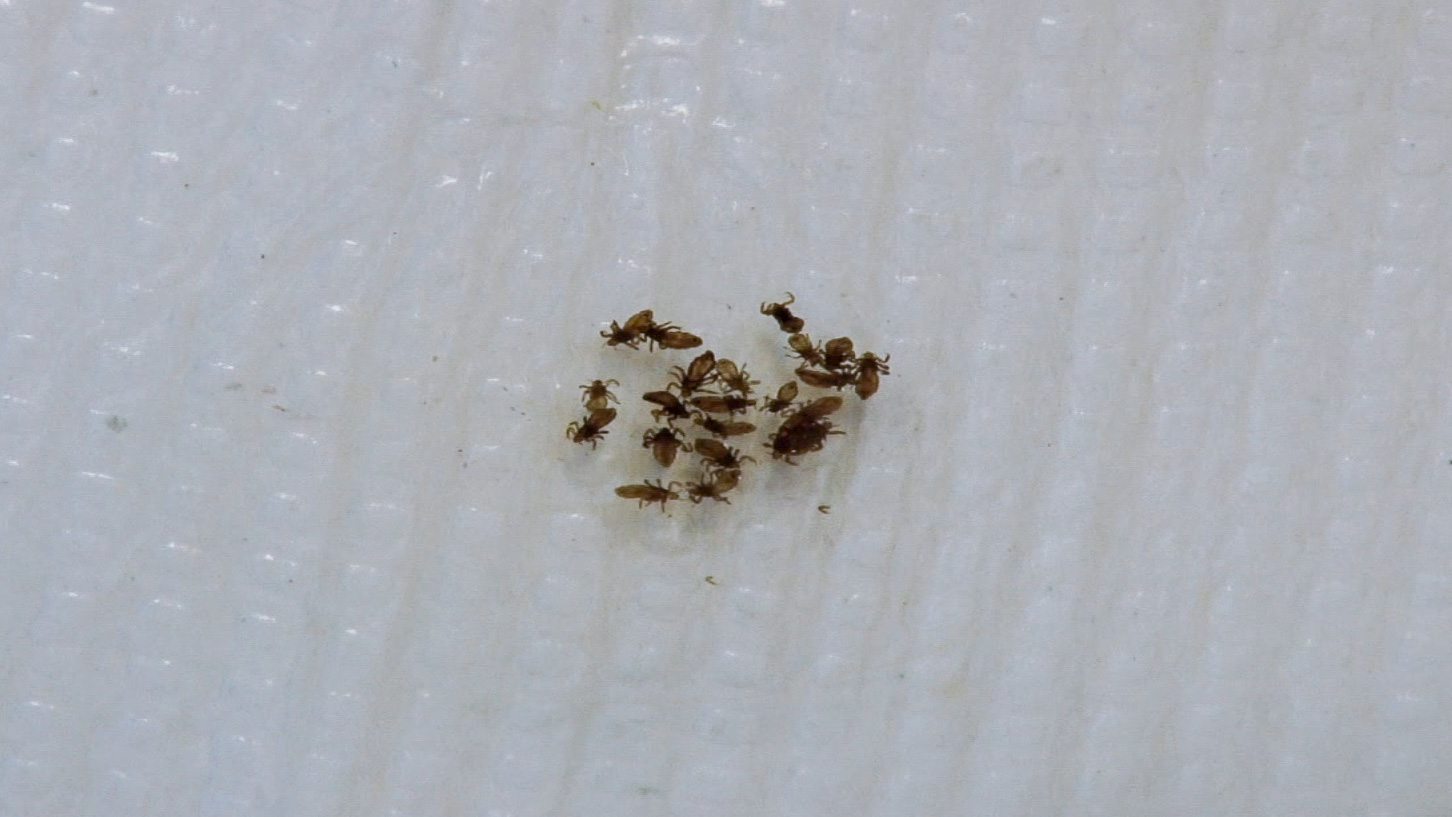
Anciently known to humanity, lice are a parasitic insect that lives in the hair. Without wings and legs unable to jump, its transmission occurs through direct contact or the sharing of personal items, such as caps, hairbrushes and pillows.
The first symptom of pediculosis is intense irritation behind the ear and on the back of the neck, where these insects tend to be concentrated as they are hot and humid areas. The itching comes from the body's reaction to the louse bite to feed on blood.
“In addition to combating pediculosis, it is essential to provide correct information to combat stigma. Anyone can get lice, regardless of gender, ethnicity, hygiene or financial condition”, emphasizes Júlio Barbosa.
For questions regarding lice infestation, the Institute provides the Contact Us Service, a direct service channel for citizens, where questions can be sent via electronic form and will be answered by experts in the field.
Check out the interview with the specialist below IOC, which has been working on scientific dissemination about lice for over twenty years:

• Why are temporary shelters vulnerable to lice infestations?
The transmission of 'head lice' occurs primarily through direct contact, when there is close proximity. In shelters, there is a large concentration of people sleeping in the same environment and sharing personal items, such as clothing (cap, scarf, scarf), bedding (sheets, pillowcases, blankets) and bath linen (towels), as well as hygiene and beauty objects. (comb and brush). It's similar to what happens in schools, where a child contracts lice and ends up transmitting it to classmates due to proximity and physical contact, as they play together and share personal items.
• Is lice infestation related to poor hygiene?
Lice infestation is not related to poor hygiene, financial condition or behavior. Anyone can have lice, regardless of gender, ethnicity, hygiene or family income. A person who washes their head every day, for example, is also subject to pediculosis.
• Is there any way to prevent lice in shelters?
The main recommendation is not to share items for personal use. However, in post-disaster situations this is not always possible, as many people depend on donations. Therefore, it is essential that those responsible for the shelters boil the clothes that arrive through donations to avoid the transmission of parasites, such as lice and scabies.
At the individual level, the daily use of a fine-tooth comb, preferably a steel comb, is the best way to treat and prevent lice infestation. Using vinegar diluted in water — in equal proportions — helps remove nits (as lice eggs are popularly called).
Ideally, in these calamity situations, public health services would distribute fine-tooth combs to the displaced population and those responsible for shelters would promote joint efforts to ensure the use of the comb.
• What are the most recommended treatments for pediculosis?
Using a fine-toothed comb every day is the most effective action, especially the steel comb because of its durability and better hygiene (it can be boiled for collective use), in addition to being more efficient in removing nits.
If you do not have access to a steel comb, the plastic model is also effective, as long as the 'teeth' of the comb are not damaged and cleaning after use is done correctly with soap and water.
As a complement, the vinegar and water solution (one glass of vinegar to one glass of water) helps to remove nits by breaking the protein that attaches them to the hair strands.
• How should the fine-tooth comb be used? Does it work for all hair types?
You should make a habit of using a fine-tooth comb every day, from the scalp to the end of the hair length. It works on all hair types and can be applied to the strands with the help of cream or conditioner.
• After removing the louse, how should the insect be killed and disposed of?
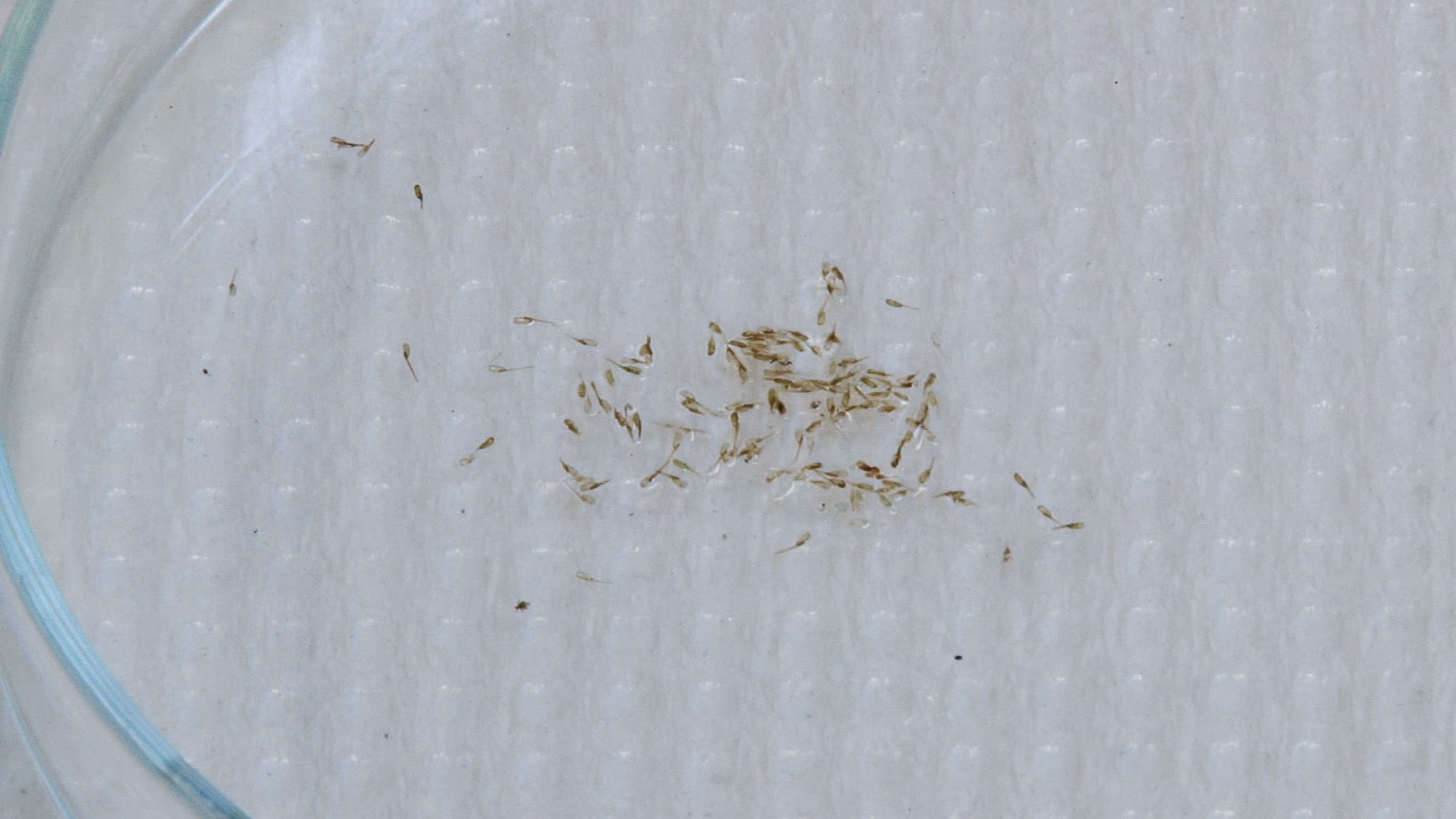
After using a fine comb, the removed lice and nits must be placed in a glass container with liquid alcohol (70% content) or vinegar solution. They will not resist and will die. They must then be disposed of in toilets. Another strategy is to use a fine-toothed comb during the bath so that the insects are washed away with the running water, which will also cause the insect to die.

• Is there medicine against lice?
Oral medications may not be the best solution, as although they kill the lice when they feed on blood, they do not eliminate the nits (which are the eggs). The person is subject to new infestation. Furthermore, prolonged use of these medications can cause side effects, such as liver damage. Therefore, using a fine-toothed comb is the simplest and most effective solution for completely removing lice.
• What are the risks of using home treatments to combat lice?
No product should be used without the guidance of healthcare professionals. It is very easy to find wrong recommendations out there, such as the use of poisons and insecticides, which are not effective and can be extremely toxic, and can even lead to death. Again, the most effective and cheapest solution remains to use a fine-toothed comb.
• What are the types of lice?
There are three types of lice: head lice, body lice and pubic lice (chato). Despite being concentrated in specific regions in the body, they can travel to different regions. It is worth noting that body lice are transmitted by sharing clothes. as with scabies, as the female insect can lay her eggs on these objects. Therefore, it is important to wash and/or boil items received as donations.
Since the end of April, the state of Rio Grande do Sul has been facing the impacts of the tragedy caused by severe floods that caused deaths and left thousands of people without anywhere to live. Data released by Federal government point out that, currently, more than 35 thousand people are in temporary shelters.
Crowding in these environments must be closely monitored by health authorities, as it allows the circulation of respiratory, gastrointestinal and worm viruses.
Another very common occurrence that should be on the radar of health professionals and volunteers is the spread of pediculosis (lice infestation).
“Lice have a major impact on public health, especially during and after emergencies. Whenever people need to stay in shelters, small outbreaks arise”, warns Júlio Vianna Barbosa, biologist and researcher at the Environmental and Health Education Laboratory at the Oswaldo Cruz Institute (IOC/Fiocruz).
Anciently known to humanity, lice are a parasitic insect that lives in the hair. Without wings and legs unable to jump, its transmission occurs through direct contact or the sharing of personal items, such as caps, hairbrushes and pillows.
Video produced by IOC provides several guidelines on lice
The first symptom of pediculosis is intense irritation behind the ear and on the back of the neck, where these insects tend to be concentrated as they are hot and humid areas. The itching comes from the body's reaction to the louse bite to feed on blood.
“In addition to combating pediculosis, it is essential to provide correct information to combat stigma. Anyone can get lice, regardless of gender, ethnicity, hygiene or financial condition”, emphasizes Júlio Barbosa.
For questions regarding lice infestation, the Institute provides the Contact Us Service, a direct service channel for citizens, where questions can be sent via electronic form and will be answered by experts in the field.
Check out the interview with the specialist below IOC, which has been working on scientific dissemination about lice for over twenty years:
• Why are temporary shelters vulnerable to lice infestations?
The transmission of 'head lice' occurs primarily through direct contact, when there is close proximity. In shelters, there is a large concentration of people sleeping in the same environment and sharing personal items, such as clothing (cap, scarf, scarf), bedding (sheets, pillowcases, blankets) and bath linen (towels), as well as hygiene and beauty objects. (comb and brush). It's similar to what happens in schools, where a child contracts lice and ends up transmitting it to classmates due to proximity and physical contact, as they play together and share personal items.
• Is lice infestation related to poor hygiene?
Lice infestation is not related to poor hygiene, financial condition or behavior. Anyone can have lice, regardless of gender, ethnicity, hygiene or family income. A person who washes their head every day, for example, is also subject to pediculosis.
• Is there any way to prevent lice in shelters?
The main recommendation is not to share items for personal use. However, in post-disaster situations this is not always possible, as many people depend on donations. Therefore, it is essential that those responsible for the shelters boil the clothes that arrive through donations to avoid the transmission of parasites, such as lice and scabies.
At the individual level, the daily use of a fine-tooth comb, preferably a steel comb, is the best way to treat and prevent lice infestation. Using vinegar diluted in water — in equal proportions — helps remove nits (as lice eggs are popularly called).
Ideally, in these calamity situations, public health services would distribute fine-tooth combs to the displaced population and those responsible for shelters would promote joint efforts to ensure the use of the comb.
• What are the most recommended treatments for pediculosis?
Using a fine-toothed comb every day is the most effective action, especially the steel comb because of its durability and better hygiene (it can be boiled for collective use), in addition to being more efficient in removing nits.
If you do not have access to a steel comb, the plastic model is also effective, as long as the 'teeth' of the comb are not damaged and cleaning after use is done correctly with soap and water.
As a complement, the vinegar and water solution (one glass of vinegar to one glass of water) helps to remove nits by breaking the protein that attaches them to the hair strands.
• How should the fine-tooth comb be used? Does it work for all hair types?
You should make a habit of using a fine-tooth comb every day, from the scalp to the end of the hair length. It works on all hair types and can be applied to the strands with the help of cream or conditioner.
• After removing the louse, how should the insect be killed and disposed of?
After using a fine comb, the removed lice and nits must be placed in a glass container with liquid alcohol (70% content) or vinegar solution. They will not resist and will die. They must then be disposed of in toilets. Another strategy is to use a fine-toothed comb during the bath so that the insects are washed away with the running water, which will also cause the insect to die.
• Is there medicine against lice?
Oral medications may not be the best solution, as although they kill the lice when they feed on blood, they do not eliminate the nits (which are the eggs). The person is subject to new infestation. Furthermore, prolonged use of these medications can cause side effects, such as liver damage. Therefore, using a fine-toothed comb is the simplest and most effective solution for completely removing lice.
• What are the risks of using home treatments to combat lice?
No product should be used without the guidance of healthcare professionals. It is very easy to find wrong recommendations out there, such as the use of poisons and insecticides, which are not effective and can be extremely toxic, and can even lead to death. Again, the most effective and cheapest solution remains to use a fine-toothed comb.
• What are the types of lice?
There are three types of lice: head lice, body lice and pubic lice (chato). Despite being concentrated in specific regions in the body, they can travel to different regions. It is worth noting that body lice are transmitted by sharing clothes. as with scabies, as the female insect can lay her eggs on these objects. Therefore, it is important to wash and/or boil items received as donations.
Cover photo: Collection of Apterous Vector Arthropods of Importance in the Health of Communities in the IOC
The non-profit reproduction of the text is allowed as long as the source is cited (Comunicação / Instituto Oswaldo Cruz)
 |
 |
